
News
Grand Stade Marrakech: Morocco’s Architectural Edifice Poised for AFCON 2025 and Beyond

By Samuel Ahmadu in Marrackech
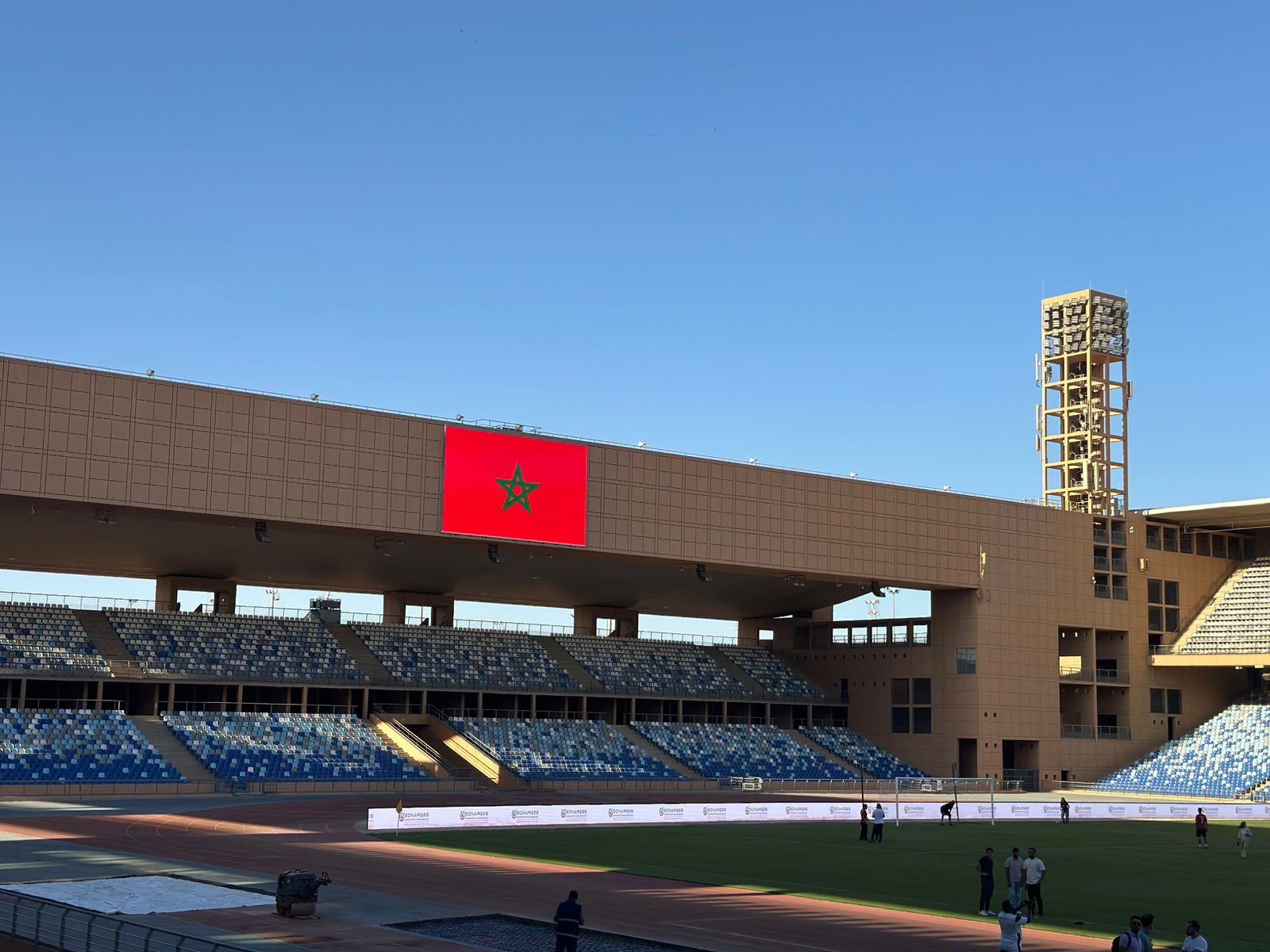
As Morocco prepares to host the 2025 Africa Cup of Nations (AFCON), the Grand Stade Marrakech stands as a shining symbol of the country’s sporting ambition and architectural ingenuity.
Long recognized as one of Africa’s premier football arenas, the stadium is undergoing a profound transformation designed to enhance spectator experience, player facilities, and global standards compliance.
A Legacy of Prestige and Global Events
Since its inauguration, the Grand Stade Marrakech has been the stage for numerous high-profile competitions, including the FIFA Club World Cup in 2013 and 2014.
With Morocco set to host AFCON 2025, and co-organize the 2030 FIFA World Cup alongside Spain and Portugal, the stadium’s upgrade underscores the nation’s commitment to world-class football infrastructure.
“The first phase of upgrading the Grand Stadium of Marrakech consisted of bringing it into compliance with CAF standards,” said Abdelkerim Bouilli, Director of Development representing the National Agency for Public Facilities (ANEP).
#image_title
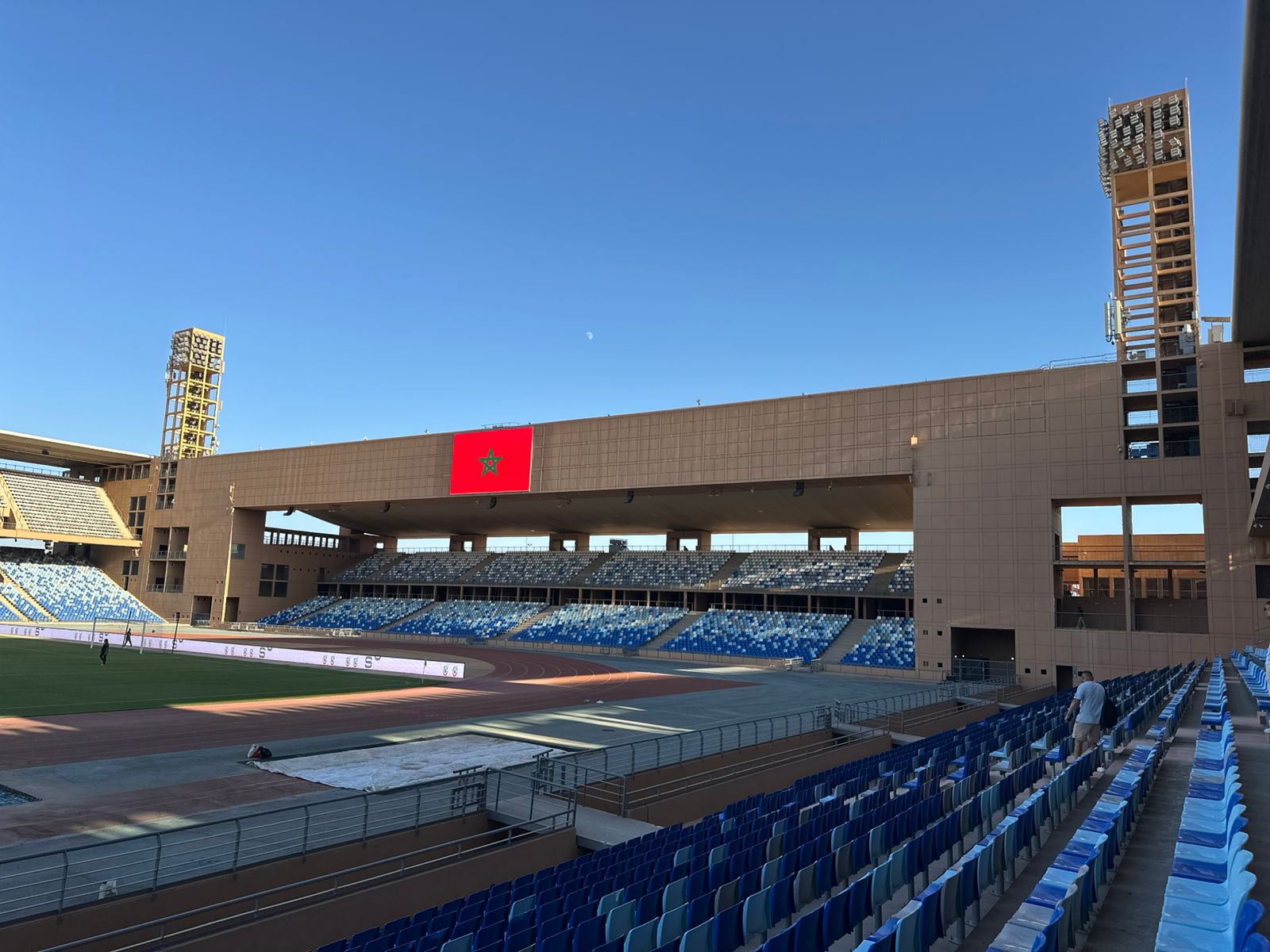
Phase one of the renovations, which began in early 2024 and concluded in June 2025, focused on essential facilities, including:
Complete refurbishment of sports areas and player changing rooms
Upgraded medical and anti-doping centers
Renovated press, mixed zones, and VIP areas
Overhaul of the pitch to meet international standards
Addition of a panoramic 180-seat restaurant
Replacement of all spectator seats with wider, more comfortable models
#image_title
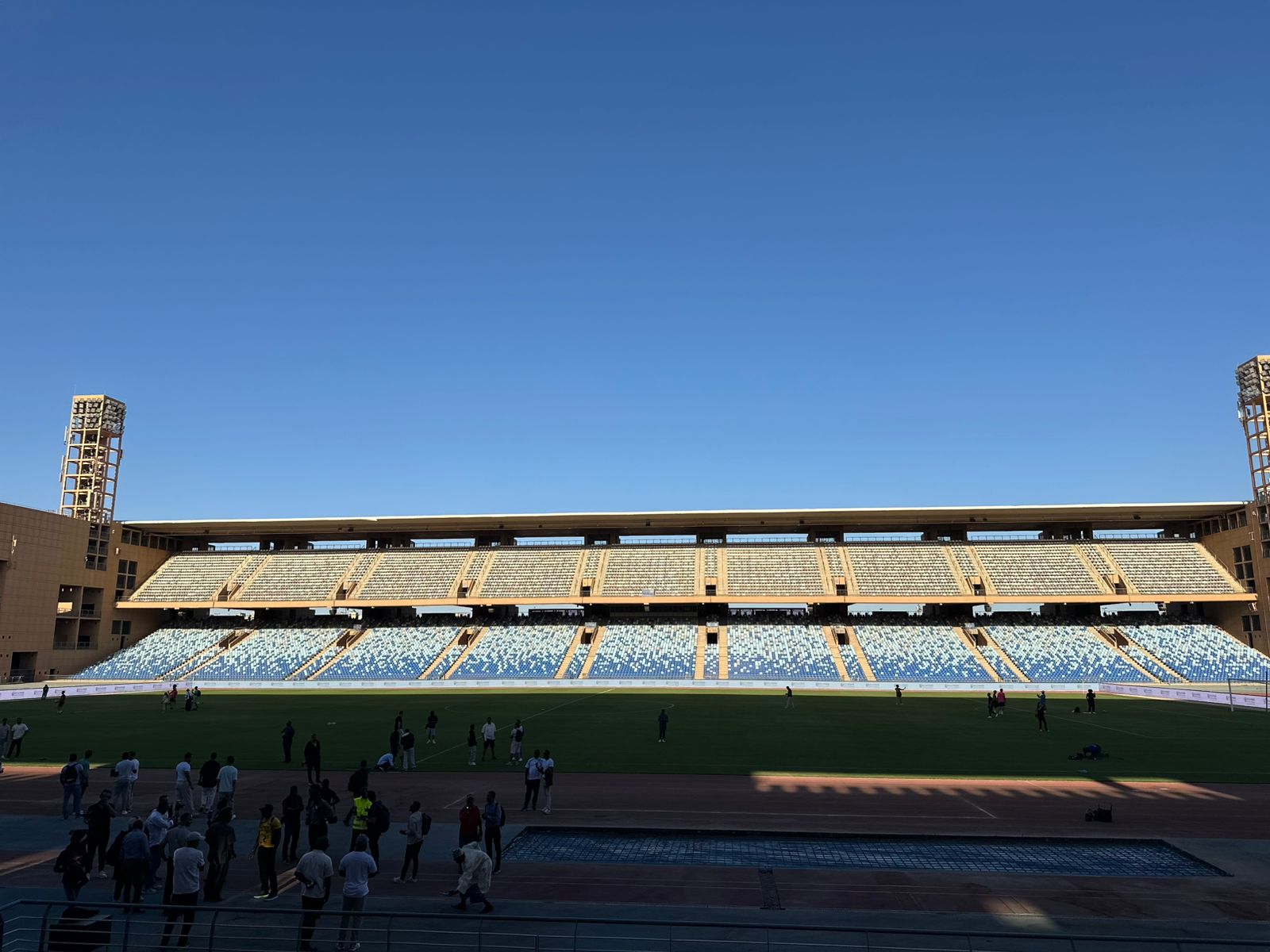
The stadium now boasts seven VIP lounges, 15 skyboxes, and an increased number of turnstiles from 36 to 77, significantly improving fan flow and reducing waiting times.
Modernization Meets Fan Comfort and Safety
Safety and technology enhancements have been prioritized alongside comfort. Morad Karaoui, Regional Director of SONARGES, highlighted the improvements.
“We have increased the number of surveillance cameras to 708, installed two latest-generation giant screens, a peripheral advertising display, and upgraded the lighting to meet FIFA standards. The VIP areas and boxes have also been modernized to enhance the fan experience.”
These upgrades position the Grand Stadium of Marrakech among the most technologically advanced arenas in Africa, meeting both CAF and FIFA requirements.
Supporting Local Football and Community Development
Beyond international events, the stadium serves as a hub for local football development. Four FIFA-standard training grounds have been established, providing top-class facilities for local clubs, including Kawkab Athletic Club of Marrakech, which now benefits from access to both the Grand Stadium and the Al Tarti stadium.
“All spaces have been renewed: player changing rooms, medical facilities, referees’ areas, press and mixed zones,” said Boulli Hadkrim, Head of Development. “The stadium will provide real added value to local football and support the development of players and clubs in the region.”
A World-Class Experience for Spectators
The Grand Stadium of Marrakech now prioritizes spectator comfort, safety, and accessibility. The renovation included:
Wider and more comfortable seating for all 41,000 spectators
Improved external access with a new ring road and multiple gates
High-capacity surveillance and monitoring systems
Modernized VIP lounges, skyboxes, and hospitality areas
“We want every fan to fully enjoy the spectacle without discomfort, even during sold-out matches,” said Karaoui.
#image_title
#image_title
#image_title
Phase Two: Preparing for the 2030 FIFA World Cup
Phase two of the renovation, scheduled to commence after AFCON 2025 and conclude by 2028, will elevate the stadium to world-class standards for the 2030 FIFA World Cup. Key developments include:
Removal of the athletics track to bring fans closer to the action
Full coverage of all stands for enhanced spectator experience
Capacity increase from 41,000 to 46,000 seats
Transition from a rectangular to an octagonal design, optimizing sightlines and stadium aesthetics
These matches cement Marrakech’s role as a strategic destination for African football fans, combining top-tier competition with state-of-the-art facilities and a vibrant city backdrop.
A Symbol of Morocco’s Football Vision
With modernized infrastructure, advanced technology, and upgraded spectator amenities, the Grand Stadium of Marrakech embodies Morocco’s vision of football excellence, linking past achievements to a bright future.
It serves as both a global showcase and a local legacy, providing communities, clubs, and fans with a space to thrive.
“Morocco is using this stadium as a platform to enhance both local and international football development. It is more than a venue; it is a symbol of ambition, pride, and the future of African football,” Boulli Hadkrim added.
As Morocco continues its preparations for AFCON 2025 and the 2030 FIFA World Cup, the Grand Stadium of Marrakech promises world-class experiences, unforgettable football moments, and a lasting legacy for generations to come.
Showcasing AFCON 2025 Matches
The Grand Stadium of Marrakech will host a series of high-profile AFCON 2025 matches, including:
South Africa vs Angola – 22/12/2025
Ivory Coast vs Mozambique – 24/12/2025
Egypt vs South Africa – 26/12/2025
Angola vs Zimbabwe – 26/12/2025
Ivory Coast vs Cameroon – 28/12/2025
Zimbabwe vs South Africa – 30/12/2025
Gabon vs Ivory Coast – 31/12/2025
Round of 16: 1F vs E2E – 06/01/2026
Quarter-finals: Winner 43 vs Winner 42 – 10/01/2026
