
Latest News
New Kwara United Queens Appointment Sparks Debate Over Future of Women’s Football in Kwara State

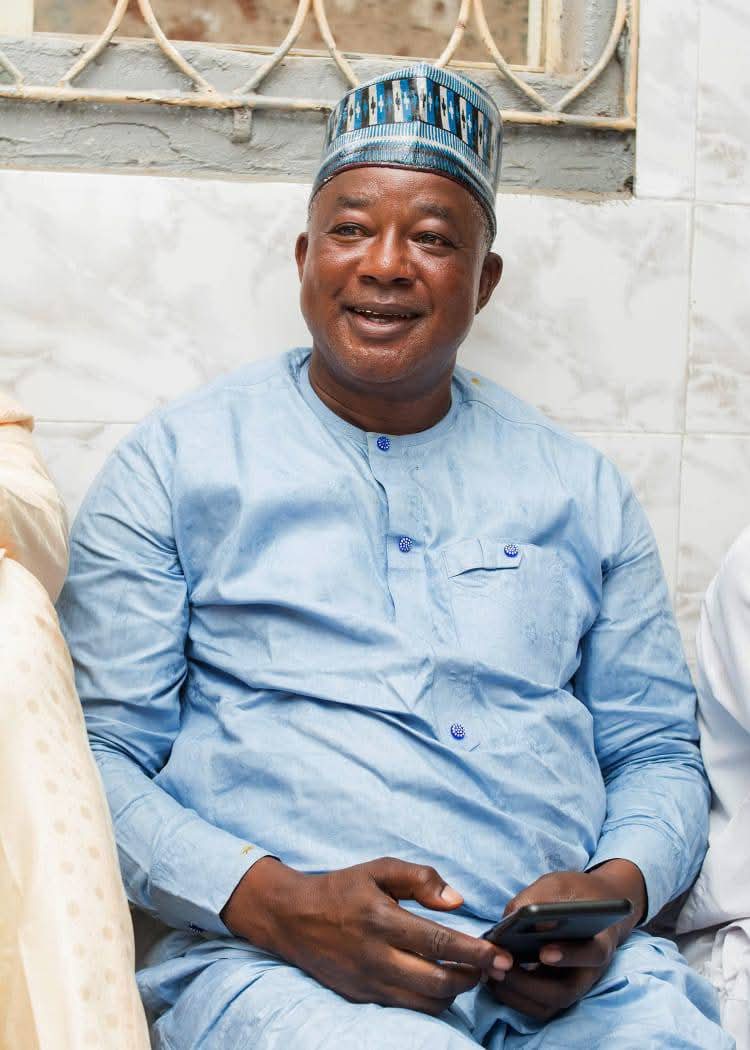
Alhaji AbdulRazaq Owolabi, popularly known as Wopa, has been appointed as the Chairman of Kwara United Queens, the newly established state-backed women’s football club.
He officially received his appointment letter from the Kwara State Sports Commission, marking the start of a new administrative chapter for women’s football in the state.
While the appointment itself signals intent toward restructuring and renewed focus, it has also reignited concerns within the football community.
The development comes amid ongoing tensions between the Kwara State Sports Commission and the management of the long-established Kwara Ladies FC, a club that has been a cornerstone of women’s football in the state for years.
The emergence of a new state club has raised several critical questions among stakeholders and supporters:
Is the creation of a new club the most strategic response to administrative disagreements?
What becomes of the legacy and historical identity of Kwara Ladies FC?
Does this move signal a gradual abandonment of a club that produced some of Kwara’s most celebrated female football talents?
Was financial or institutional support withdrawn from the former club before the new structure was introduced?
Could reconciliation, reform, or restructuring have preserved both progress and heritage?
These questions go beyond administration; they strike at the heart of institutional continuity and sporting identity.
Kwara Ladies FC is more than just a football team. It represents years of grassroots development, community pride, and the platform through which many female footballers launched their careers. Its history is intertwined with the growth of women’s football in Kwara State.
While progress, reform, and restructuring are sometimes necessary to move sports forward, many observers believe that such transitions should be managed in a way that protects legacy, institutional memory, and the human investment made over decades.
Women’s football in Kwara undeniably deserves growth, better funding, improved administration, and stronger institutional backing. However, it also deserves respect for its roots and pioneers.
As Kwara United Queens begin their journey under new leadership, the larger conversation remains unresolved: Can development coexist with preservation, or must one be sacrificed for the other?
For now, the debate continues — and so does the hope that women’s football in Kwara will emerge stronger, united, and more inclusive of its past.
