Latest News
NSC and NFF Announce Major Reforms for Nigerian Football After High-Level Abuja Meeting

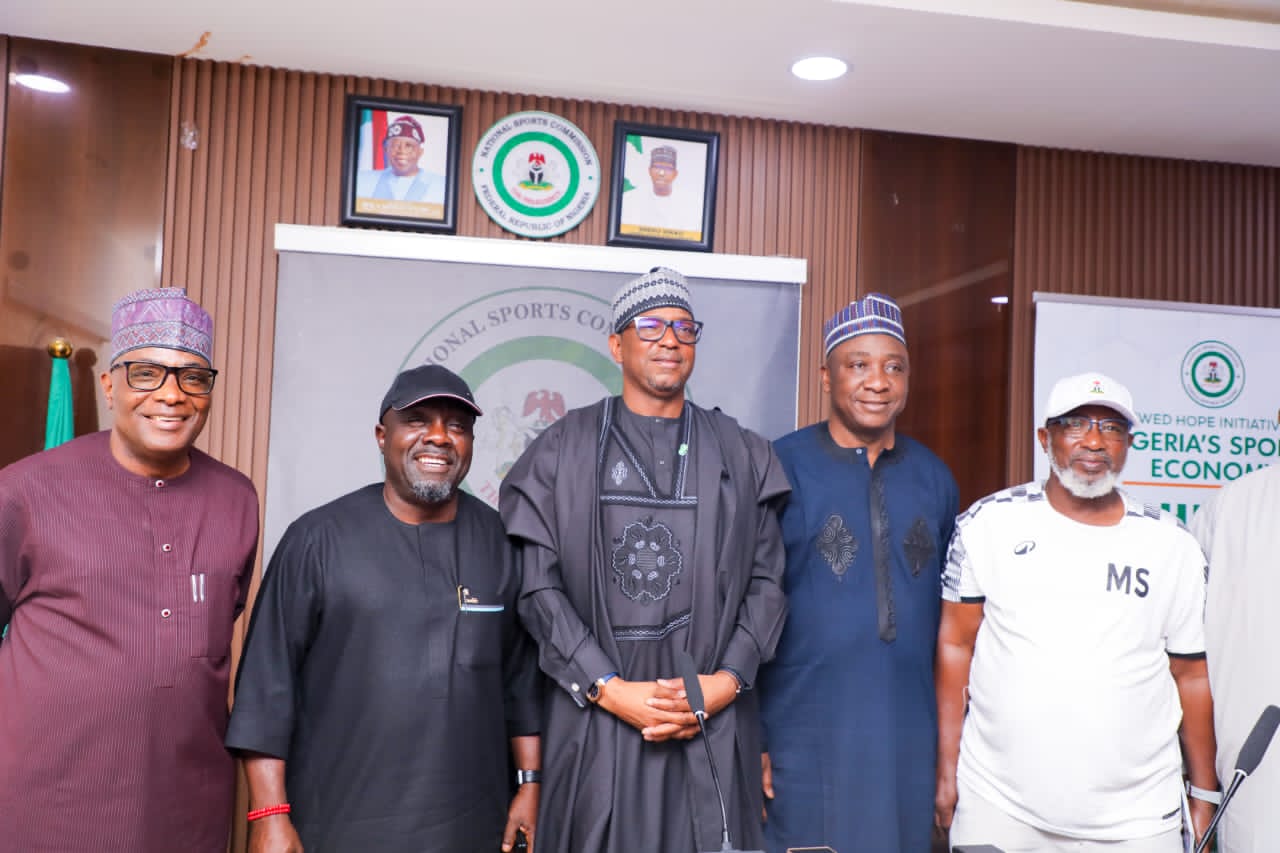
The National Sports Commission and the Nigerian Football Federation have agreed on a wide-ranging set of reforms aimed at strengthening Nigeria’s national teams and reshaping the domestic football ecosystem.
The decisions were reached on Tuesday during a high-level strategic meeting held at the NSC headquarters in Abuja, bringing together top officials of both bodies. Attendees included NSC Chairman Shehu Dikko, NSC Director-General Bukola Olopade, NFF President Ibrahim Musa Gusau, NFF General Secretary Mohammed Sanusi, and senior men’s national team head coach Chelle.
Super Eagles: Contract Extension and Improved Support
A key outcome of the meeting was the approval of a contract extension for the Super Eagles head coach, accompanied by an improved remuneration package.
The NSC also confirmed it will now assume responsibility for the salaries of the coach’s assistant staff, easing financial pressure on the head coach and ensuring greater stability within the technical crew.
Officials say the move is designed to provide continuity and stronger preparation for upcoming international fixtures and qualification campaigns.
Olympic Eagles Added to Chelle’s Responsibilities
In another major decision, Chelle has been assigned additional duties as head coach of Nigeria’s U23 national team, the Olympic Eagles.
The arrangement is part of a broader plan to align the tactical philosophy of the senior national team with the U23 side, while creating a more structured pathway for emerging players.
The Olympic Eagles—known for their historic Olympic success including gold at Atlanta 1996, silver at Beijing 2008, and bronze at Rio 2016—are expected to benefit from improved technical continuity under the new structure.
Praise for Leadership and Ongoing Reforms
Speaking at the meeting, Olopade praised the leadership of the NSC, describing the ongoing changes as a turning point for Nigerian sports administration.
He said the reforms represent a “rebirth” of Nigerian football, highlighting improved coordination from grassroots development to elite performance levels.
Record Incentives Planned for NPFL
The meeting also unveiled an ambitious new financial framework for the Nigeria Professional Football League (NPFL), described as the most lucrative in its history.
Starting from the next season, the league champions will receive ₦1 billion, while the runners-up and third-placed teams will earn ₦800 million and ₦700 million respectively. Additional performance-based rewards will also be introduced to ensure all participating clubs benefit from the new structure.
Officials say the enhanced prize system is intended to increase competitiveness, attract investment, improve club management, and retain top talent within the domestic league.
Player Welfare and Salary Standards
As part of broader reforms, the NSC approved stricter club licensing regulations and introduced a minimum monthly salary benchmark of ₦2 million for NPFL players.
The policy aims to improve player welfare, reduce the migration of talent abroad, and raise the league’s overall professional standards.
Return of NPFL to Television
The NSC also announced advanced plans to return the NPFL to mainstream television broadcasting, a move expected to improve visibility, expand fan engagement, and unlock new commercial opportunities for clubs and sponsors.
Dikko emphasized that media exposure is central to the league’s growth strategy, stating that Nigerian football must be more visible and commercially viable.
A New Direction for Nigerian Football
The resolutions reached at the meeting signal a coordinated push by the NSC and NFF to stabilize national team management, strengthen youth development, improve player welfare, and grow the domestic football economy.
Stakeholders believe the reforms could mark a significant turning point in the long-term development of Nigerian football.