
Latest News
Marc Cucurella ‘good-luck coin’ ritual revealed after Spain’s World Cup triumph over Argentina

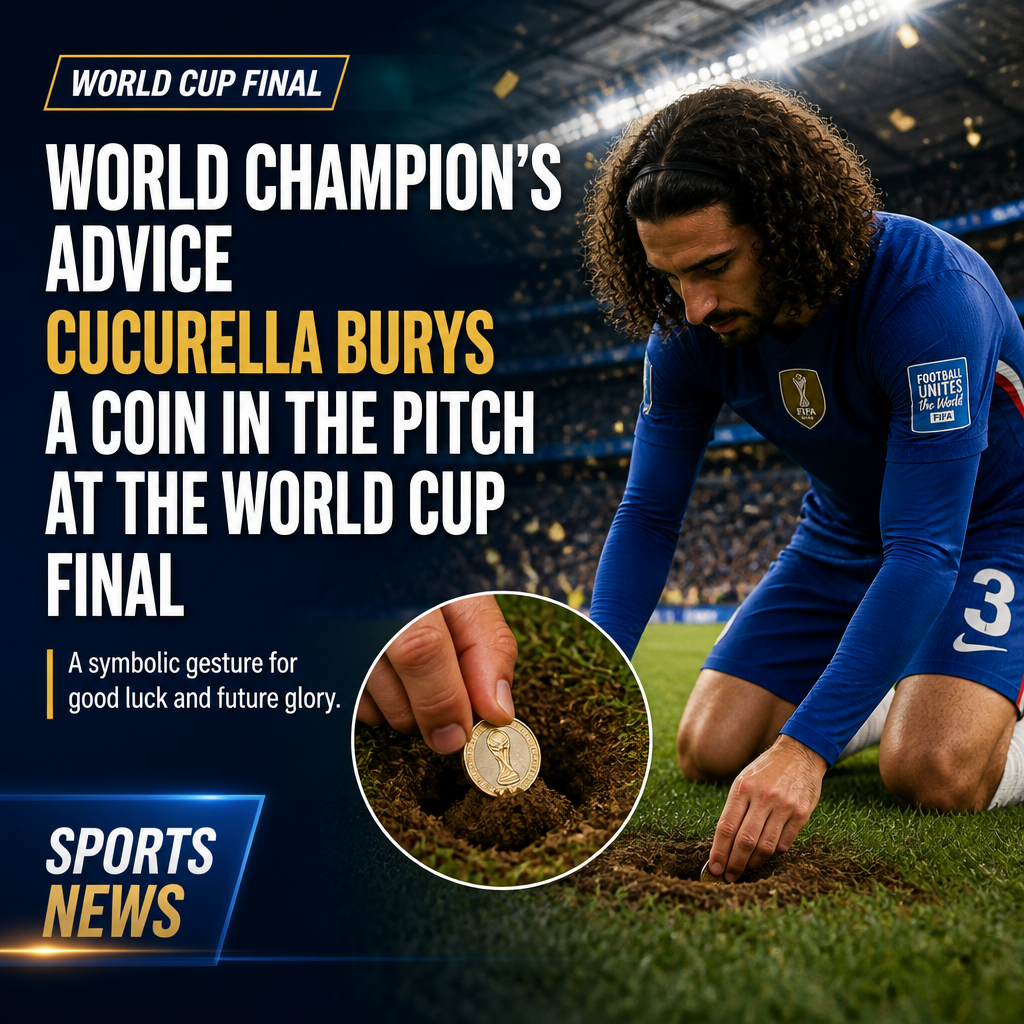
Spain’s World Cup-winning campaign in 2026 was given a bizarre but symbolic boost when defender Marc Cucurella buried a coin under the MetLife Stadium pitch minutes before kick-off in the final against Argentina.
The newly signed Real Madrid left-back was carrying out a request from 2010 world champion Juan Capdevila, reviving a superstition credited with bringing good fortune to La Roja 16 years earlier.
Spain beat Argentina 1-0 after extra time on Sunday to lift their second World Cup, echoing their 2010 triumph over the Netherlands by the same scoreline and in the same manner.
Capdevila’s old ritual brought back to life
According to French outlet Foot Mercato, Capdevila had asked Cucurella to repeat a ritual first performed before Spain’s 2010 World Cup final in Johannesburg.
On that occasion, Capdevila buried a coin beneath the turf at Soccer City ahead of the match against the Netherlands, which Spain went on to win 1-0 in extra time.
Cucurella is reported to have followed the exact same practice at MetLife Stadium in New Jersey, pushing a coin into the ground shortly before the final got under way against Argentina.
Spanish media have framed the act as a deliberate attempt to summon the “lucky charm” of 2010, and the outcome once again favoured La Roja, who required extra time to secure victory.
Superstition and success for La Roja
Foot Mercato said the gesture “اثبتت هذه اللفتة انها فال خير على كتيبة لاروخا” – “proved to be a good omen for La Roja’s ranks” – as Spain held their nerve in a tense, cagey final.
Just as Andres Iniesta’s extra-time strike sealed Spain’s first world title in South Africa, the 2026 edition was also decided beyond 90 minutes, reinforcing the myth around the coin-burying ritual.
While there is no suggestion from the Spanish camp that the gesture directly influenced events on the pitch, it has been widely highlighted as a symbolic link between two generations of world champions.
The revival of the tradition has sparked discussion among fans about the role of superstition in elite sport and how players lean on rituals, routines and memories to manage pressure on the biggest stage.
Real Madrid move completed before the tournament
The story of Cucurella’s ritual comes against the backdrop of a major move in his club career.
Real Madrid had already confirmed the signing of the former Chelsea defender before Spain began their 2026 World Cup campaign, securing him as a reinforcement at left-back.
“يشار الى ان ريال مدريد اعلن ضم كوكوريا رسميا، قادما من تشيلسي، قبل انطلاق مشوار اسبانيا في مونديال 2026” – “It is noted that Real Madrid officially announced the inclusion of Cucurella, coming from Chelsea, before the start of Spain’s journey at the 2026 World Cup.”
The timing meant Cucurella arrived at the tournament not only as a key figure in Spain’s squad but also as one of Real Madrid’s latest high-profile signings, adding further spotlight to his every move.
Legacy of 2010 lives on
For many Spanish supporters, the revelation that Capdevila’s quirky habit was repeated by Cucurella has deepened the sense of continuity between the golden generation of 2010 and the new wave of 2026.
Where Iniesta, Xavi and Iker Casillas once carried the burden of expectation, it is now players like Cucurella who are forging their own stories in Spanish football folklore – with a little help from an old coin buried beneath the grass.