
English Premier League
China’s sporting boycott power puts European football and Mbappe under pressure

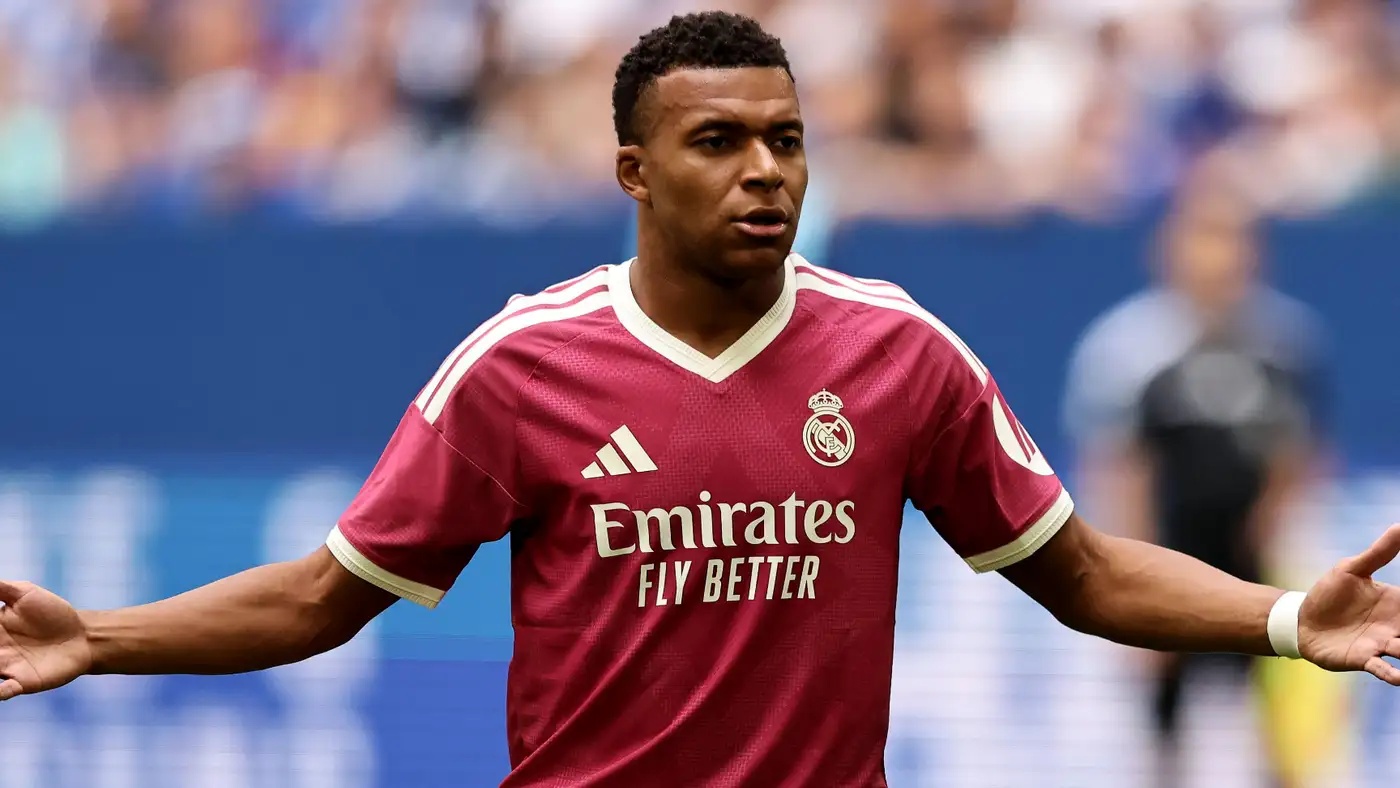
The fallout from Kylian Mbappe’s comments about former Chinese leader Mao Zedong has highlighted the financial dependence of European football on China and Beijing’s ability to use broadcasting and commercial partnerships to influence foreign sporting organisations.
The dispute affected La Liga’s television rights and Mbappe’s commercial agreements, prompting Real Madrid and the Spanish league to issue apologies in an effort to contain the situation.
It began after footage emerged from an interview in which Mbappe discussed a satirical image showing his face superimposed on that of a Chinese political figure. He described the figure as a Chinese dictator.
Although Mbappe did not name Mao Zedong, the image was linked to the former leader and caused widespread anger on Chinese social media.
Mbappe apologised, saying he was sorry for hurting the feelings of people in China and elsewhere. Real Madrid also issued a formal apology to the Chinese people, while La Liga president Javier Tebas became involved in attempts to calm the situation. The statements did not immediately resolve the dispute.
Media reports said Chinese companies including Mengniu Dairy, Shanghai Milkground and Dongpeng Beverages had ended their commercial relationships with Mbappe. The move threatens both his advertising income and his future opportunities in the Chinese market.
Why China matters
China is important to football because of its broadcasting rights, access to millions of supporters, sponsorship and advertising opportunities, and the potential to sell branded products.
In August 2026, La Liga announced an agreement with Migu, a platform owned by China Mobile, making it the exclusive online broadcasting rights partner in mainland China for the four seasons from 2026-27 to 2029-30. The deal includes all 380 matches in each season.
Real Madrid could face lower sales of shirts and other merchandise, fewer commercial opportunities and a decline in the marketing value of its leading players.
Mbappe’s potential losses are more immediate after Chinese companies cancelled their contracts with him. French newspaper Le Monde estimated that some of the terminated agreements were worth about 50m yuan, approximately 6.7m euros.
Previous sporting disputes
China has taken similar action in other sports. In 2019, Houston Rockets general manager Daryl Morey posted a message supporting protests in Hong Kong. China suspended NBA broadcasts, which remained off Chinese television for about 18 months before returning in March 2022.
Morey was not dismissed to satisfy China, despite the commercial damage. US reports estimated the losses linked to the dispute at hundreds of millions of dollars, although figures varied according to the period and scope of the calculations.
In December 2019, former Germany international Mesut Ozil criticised China’s treatment of the Muslim Uyghur minority. Chinese television removed Arsenal’s match against Manchester City from its schedule, while Arsenal distanced itself from the comments and said they represented the player’s personal opinion.
The WTA also suspended all tournaments in China and Hong Kong in December 2021 after Chinese player Peng Shuai disappeared from public view following her accusation that a senior Chinese official had sexually assaulted her. The decision, made despite significant financial risks, affected nine WTA events staged in China in the 2019 season, including the WTA Finals.
Reuters estimated the boycott could cost the organisation hundreds of millions of dollars. The WTA resumed its events in China in April 2023 after about 16 months, saying the continuing suspension imposed heavy financial costs on players and tournaments despite insufficient progress on its original demands.
In March 2022, Chinese broadcasters also blocked Premier League matches during a weekend featuring solidarity initiatives for Ukraine, including players wearing armbands in the colours of the Ukrainian flag.