
English Premier League
Al Ahli ‘will not sack Marino Pusic unless they lose 5-0 to Al-Ittihad’

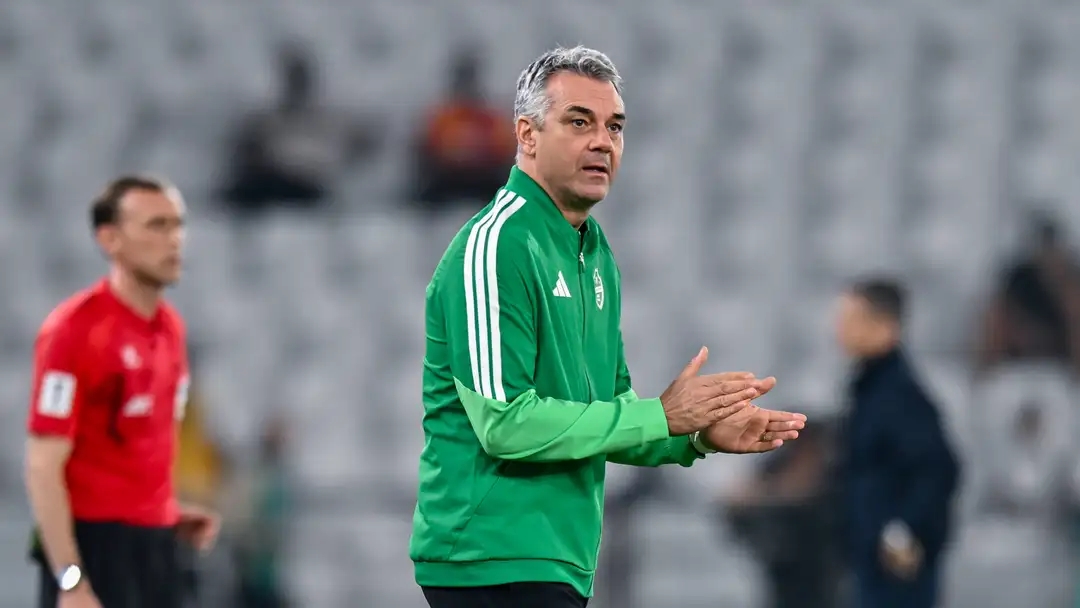
Al Ahli’s 3-2 defeat by Al Shamal, after they had led 2-0, has intensified criticism of the club’s management and raised further questions about the future of manager Marino Pusic.
The collapse renewed debate in the Saudi media over whether Al Ahli’s officials are prepared to make difficult decisions, with the side’s failure to protect a two-goal advantage viewed as particularly damaging.
Speaking on the programme Rotana Sport with Walid, presenter Walid Al-Farraj discussed the defeat with guest Faisal Zaid, who criticised the club’s handling of the manager’s position.
Zaid suggested that indecision had become part of Al Ahli’s wider problems and mocked the relationship between Pusic and the club’s hierarchy.
“If we were to give this match a headline, it would be: ‘Pusic says to Al Ahli’s management, sack me’,” Zaid said.
Al-Farraj responded sarcastically, arguing that there appeared to be no clear decision-making process at the club despite the team’s results and performances.
“They will not sack him unless he loses 5-0 to Al-Ittihad,” Al-Farraj said.
He added that some club administrations only act “when the roof falls on them”, suggesting Al Ahli’s officials would continue to delay a decision until the situation became impossible to ignore.
Al Ahli are due to face Al-Ittihad on 11 December in round 15 of the Roshn Saudi League.
Zaid said the issue was rooted in a lack of authority within the club, warning: “When there is no decision, the management becomes weaker… You are burning yourself today.”
He argued that by failing to resolve important matters at the right time, Al Ahli’s management was damaging its own position and appearing unable to respond directly to a developing crisis.
Al-Farraj also criticised the way football clubs are managed in the current period. He said they had moved away from the traditional model of sporting institutions and were now “more like cement factories”, referring to the multiple layers of authority and complex procedures that can slow decisions during difficult moments.
He acknowledged that the club’s management might not have complete freedom to act independently, with some decisions requiring approval or direction from higher administrative levels. In his view, that helped explain the delay at Al Ahli, although it did not remove the management’s responsibility for the current situation.
Zaid said that, regardless of his name or position, an official at Al Ahli ultimately appeared to be waiting for instructions rather than operating with clearly defined powers.
He claimed that this left those responsible for the club closer to spectators waiting to discover what would happen, rather than decision-makers capable of influencing events.
Zaid concluded by saying it was difficult for supporters to know which person or department they should contact or hold responsible, because responsibilities were unclear and authority was divided.