
English Premier League
Guardiola turns down Italy job as Azzurri turmoil laid bare

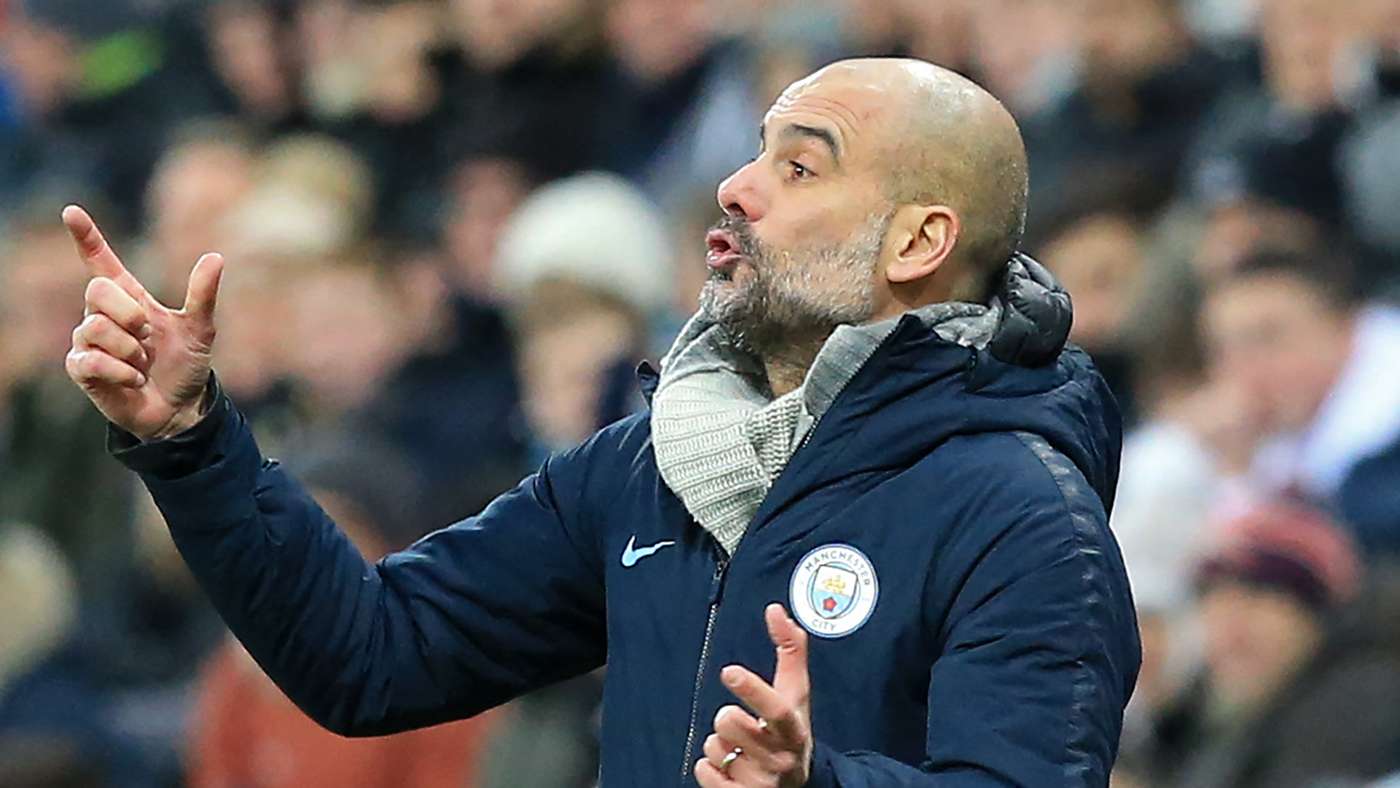
Pep Guardiola has rejected an approach to become Italy head coach, a decision that has thrown a harsh spotlight on the scale of the problems facing the Azzurri after years of decline and repeated World Cup failure.
The Italian Football Federation had placed the Spaniard at the top of its shortlist in the hope that his appointment could restore the national team’s lost aura. However, Guardiola declined to take on the role, forcing Italy’s hierarchy to look elsewhere at candidates with significantly less star power.
His refusal has been interpreted within Italian football as more than a simple personal choice. It has been seen as exposing deeper structural and sporting issues that have dogged Italy in recent years, contributing to one of the most dramatic downturns in the history of a four-time world champion.
A giant in crisis
Italy, historically regarded as one of the game’s great international powers, has endured a sustained period of underachievement. The national side has failed to qualify for the World Cup three times in a row, an unprecedented sequence for a country of its pedigree.
Those repeated absences from the game’s biggest stage have prompted intense scrutiny of everything from youth development and tactical identity to leadership at federation level. The pursuit of Guardiola was viewed as a bold attempt to reset that trajectory and inject fresh ideas into a faltering setup.
Guardiola, renowned for his demanding methods and meticulous planning, is known as a coach who insists on the conditions he believes are essential for success. His decision to walk away from the possibility of coaching Italy has therefore been read by many observers as a sign that he did not see the necessary foundations in place to deliver the kind of transformation expected of him.
Spotlight on Italian football’s direction
Within the Italian game, Guardiola’s refusal has revived debate over why such a decorated national team has struggled to adapt to modern football’s tactical and physical demands. Questions are being asked about the balance between tradition and innovation, and whether Italy has moved quickly enough to embrace new approaches on and off the pitch.
The federation’s move for a figure of Guardiola’s stature underlined a recognition that incremental change might no longer be sufficient. The subsequent shift towards less high-profile options suggests a more conservative, pragmatic path, at least in the short term.
For now, Italy must search for an alternative who can work within existing structures while trying to reverse a decline that has left supporters frustrated and anxious about the future. Guardiola, meanwhile, continues his career elsewhere, leaving behind a national team still wrestling with the reasons for its fall from the summit of world football.
All rights reserved Kooora ©2026