
English Premier League
Why Arda Guler should be the last player Mourinho removes from Real Madrid

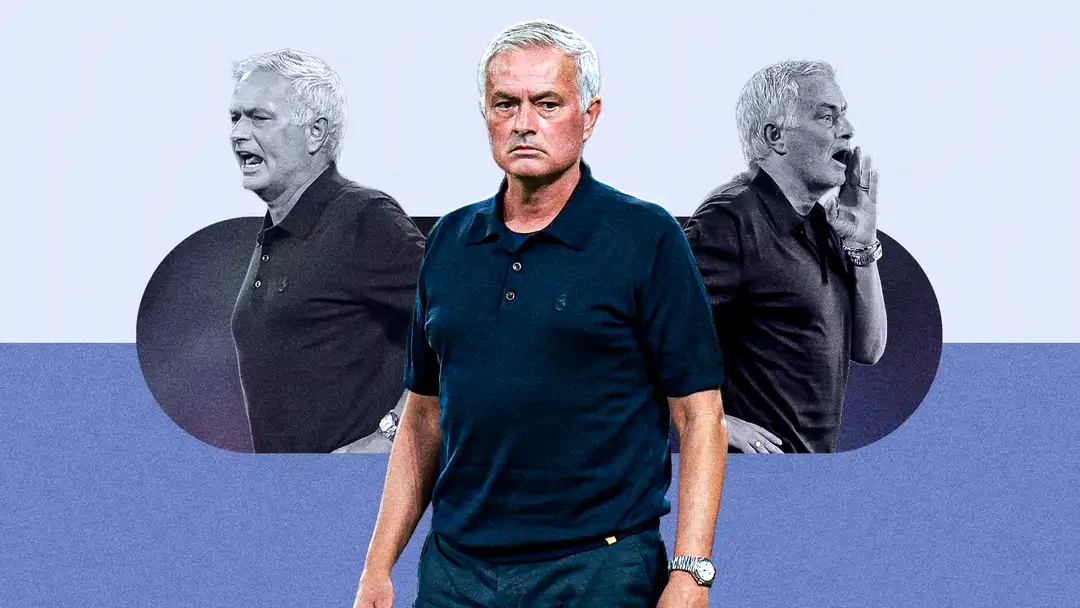
Real Madrid’s defeat by Deportivo Alaves raised a significant tactical question for Jose Mourinho: did the manager underestimate Arda Guler’s value as the player who connects the team’s attack?
With Kylian Mbappe, Jude Bellingham and Vinicius Junior available, it may seem unusual to place another player at the centre of the attacking plan. Yet Guler offers Real Madrid something those forwards do not provide in the same way.
The Turkiye international sets the tempo, links the lines and looks for the pass capable of turning possession into a clear chance. His substitution against Deportivo Alaves therefore deserves scrutiny, particularly in a match where Real Madrid needed creativity to break through a compact defence.
Guler’s numbers strengthen the argument
This is not simply a case of elevating a talented player based on impression. Guler has created 49 chances in La Liga this season, the highest total in the competition, despite not necessarily playing every available minute.
He also created four chances during his 59 minutes against Deportivo Alaves, made four key passes and completed five successful dribbles.
Those figures suggest he was still influencing the game, even as Alaves restricted the space around Real Madrid. Creating opportunities and finding passing lanes was precisely the task the team needed most.
Mourinho explained after the match that Alaves defended with five players in the back line and three in front of them. Real Madrid had plenty of possession but struggled to find room and lacked sufficient presence inside the penalty area.
The Portuguese manager said he believed Carlos Espi could provide a solution. He added that he had two possible players to replace – Guler or Vinicius – and felt Guler had been carrying out a role similar to that of Bernardo Silva. Mourinho also said Real Madrid were recovering the ball easily.
That explanation clarifies the thinking behind the change, but it does not settle the tactical debate. The central problem was not simply the number of Real Madrid players inside the box. It was how to create openings against a tightly organised defensive block.
Adding another forward can increase the number of targets in the area, but it does not guarantee that the ball will reach them. A player such as Guler can move possession between the lines, switch the direction of attacks and force defenders to leave their positions.
Mourinho could therefore have retained Guler while increasing the attacking presence elsewhere. His continued involvement might also have offered more variety to players who need service in dangerous areas.
Different roles in Real Madrid’s attack
Mbappe is the team’s leading scoring threat, Bellingham can arrive in the penalty area and Vinicius can change matches with his pace and dribbling. Guler, however, helps connect those qualities and turn their movement into practical chances.
The possibility of moving Vinicius to the right while keeping Guler there also merits consideration. Guler could provide left-footed creativity from that side, while Vinicius retained the left flank, where he can attack defenders and cut inside.
Guler’s substitution alone cannot explain the defeat. Real Madrid had fallen behind in the 22nd minute and conceded a second goal in the 61st, immediately after his departure, before Mbappe reduced the deficit in the 69th minute. The side also made defensive errors, missed chances and lost Bellingham to a late red card.
But the underlying question remains: was it wise to remove Real Madrid’s leading chance creator while the team was still searching for a route back into the match?
Mbappe may finish an attack, Vinicius may begin it with a dribble and Bellingham may arrive at its conclusion. Guler is often the player capable of starting it with the pass they need. Against opponents who close down space, he should arguably be one of the last players Mourinho considers taking off.