
English Premier League
Pochettino faces Manchester United rebuild as his pressing philosophy meets a new test

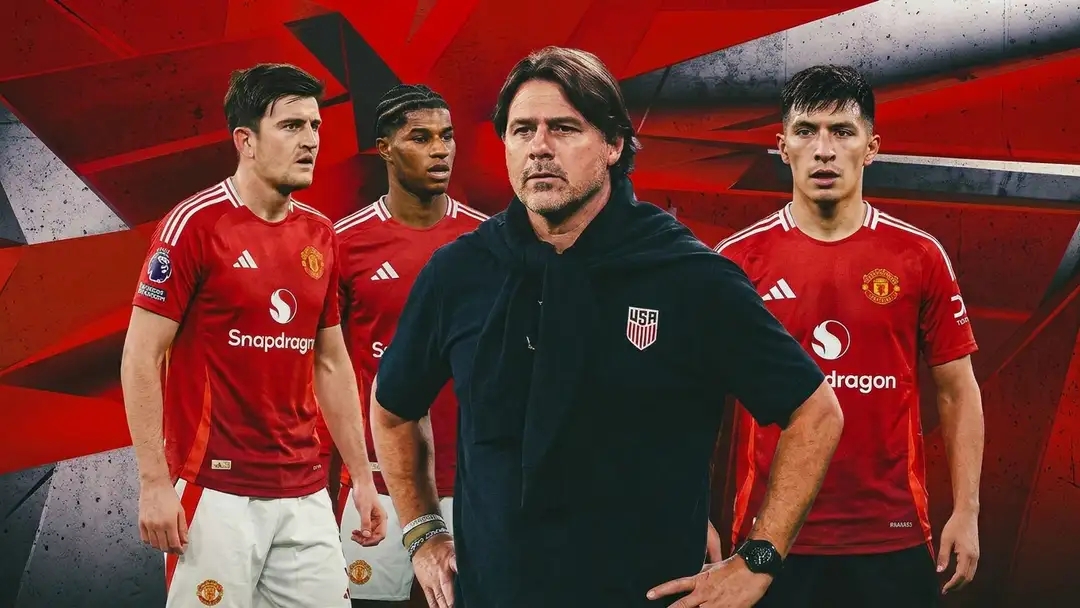
Mauricio Pochettino has little time to show he can restore Manchester United to the level their supporters expect after taking over from Michael Carrick. The Argentine returns to the Premier League with a reputation for developing young players, demanding intense pressing and encouraging direct attacking football.
His biggest question at Old Trafford is not whether he has a clear tactical identity, but whether the current squad can carry it out. His previous work at Southampton, Tottenham Hotspur, Paris Saint-Germain, Chelsea and with the United States shows a coach willing to adapt his methods to the players available rather than impose one fixed system.
A philosophy built at Southampton
Pochettino’s English coaching career took shape at Southampton, where he replaced Nigel Adkins. He retained much of the existing structure but transformed the team’s approach, using a 4-2-3-1 formation and making aggressive pressing central to their attacking game.
The aim was not simply to close down space. Southampton tried to force opponents into mistakes near their own goal and attack immediately after winning the ball. Pochettino strengthened the squad with players including Dejan Lovren and Victor Wanyama, but placed greater emphasis on improving those already at the club.
Adam Lallana, Morgan Schneiderlin, Jay Rodriguez, Luke Shaw and Nathaniel Clyne flourished under him, helping establish his reputation for creating value without relying on major transfer spending.
Lallana later recalled that he had previously enjoyed greater freedom on the left or as a number 10, but Pochettino demanded work, running and pressing from everyone. According to Sky Sports, that lack of special treatment will be tested at Manchester United, particularly with influential players such as Bruno Fernandes.
From Tottenham’s high point to its warning
At Tottenham Hotspur, Pochettino developed a young, energetic side that combined rapid vertical passing with immediate pressure after losing possession. His preferred 4-2-3-1 allowed greater movement, while the full-backs supplied width.
Dele Alli, Christian Eriksen and Son Heung-min operated close to Harry Kane, while Eric Dier often dropped into defence to create a back three during possession. Tottenham reached the UEFA Champions League final and finished in the Premier League’s top three for three successive seasons.
However, the intensity eventually declined as the squad aged. Without sufficient reinforcements and depth, the team struggled to maintain the same physical demands, and Pochettino’s five-year spell ended in November 2019.
Adaptation at Paris Saint-Germain and Chelsea
Paris Saint-Germain presented a different challenge, with Lionel Messi, Neymar and Kylian Mbappe leading the attack. Pochettino increasingly used a 4-3-3 and could not expect every forward to press continuously. The experience underlined his willingness to adjust rather than treat Manchester United as another version of his best Tottenham side.
At Chelsea in 2023, he briefly used a 3-4-2-1 before returning to 4-2-3-1. Cole Palmer scored 22 goals and supplied 11 assists in the Premier League during an outstanding campaign, but Pochettino struggled to establish consistent collective effort. Chelsea covered the third-lowest distance in the 2023-24 season, compared with Tottenham’s position among the league’s leading running teams under him.
The Manchester United test
With Carrick also using 4-2-3-1, Pochettino may not need an immediate tactical revolution. Leny Yoro’s recovery pace, Patrick Dorgu’s physical qualities, Carlos Baleba’s ball-winning ability and Fernandes’ creativity could all be important. Fernandes may also be asked to contribute more without the ball and support the striker, as Alli did during Tottenham’s strongest period.
Fitness could prove decisive. Manchester United are 19th in the Premier League for distance covered this season, while the age profile of the starting team raises questions about sustaining an intense press. Shia Lacy could add youthful energy, although younger players alone will not solve the wider physical and tactical demands.
Pochettino has said: “If you don’t change, you die.” At Old Trafford, success may depend on reshaping his previous ideas into a version suited to Manchester United.