
English Premier League
Ballon d’Or 2026: Secrecy surrounds ceremony as Barcelona and Real Madrid share London hotel

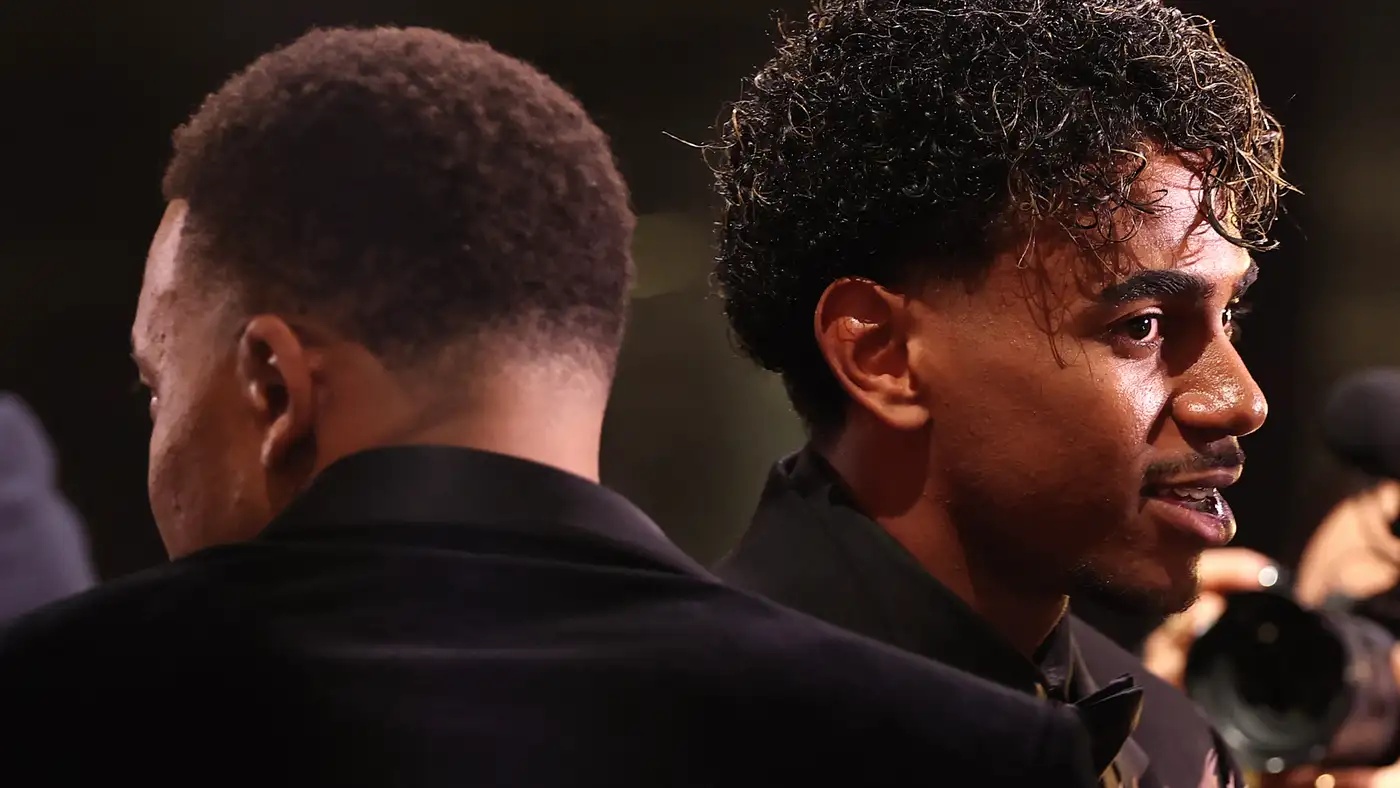
The identity of the 2026 Ballon d’Or winner remained unknown until the final moments of the ceremony, with organisers avoiding the leaks and confirmed predictions that have surrounded some previous editions, including the controversy over the 2024 voting results.
Voting had closed a month before the event, but no indication emerged about who had won. The mystery deepened when the ceremony began 70 minutes later than scheduled.
The 30-player shortlist featured a strong collection of contenders, including Ousmane Dembele, Rodri, Marc Cucurella, Gabriel Magalhaes, Yan Diomande, Michael Olise, Luis Diaz, Bukayo Saka, Kylian Mbappe, Lamine Yamal and Harry Kane. Those players were among the leading candidates expected to challenge for the top three positions.
The ceremony also highlighted Spanish goalkeeping, with Unai Simon, David Raya and Joan Garcia all attending. Simon, the Athletic Bilbao goalkeeper, was crowned the winner of the award in an evening that placed Spanish football at the centre of the event.
Barcelona and Real Madrid delegates in same hotel
According to Spanish newspaper AS, delegations from Barcelona and Real Madrid stayed at the same hotel during their time in London.
The two groups were portrayed as sharing the venue without the usual tension associated with the rivalry between the clubs. Barcelona’s delegation was larger after the club collected awards in the women’s categories, while Lamine Yamal also received the Kopa Trophy for the best young player.
The scheduling listings associated with the event included Barcelona in La Liga on 31 October 2026, with Deportivo Alaves and Racing Santander also listed in the competition, while Real Madrid was listed in La Liga on 01 November 2026.
The Ballon d’Or has changed considerably over the years. Once a relatively small presentation held inside the offices of France Football magazine, or at the winning player’s stadium as happened with Luis Figo in 2001, it has developed into a global event followed closely by supporters and the media.
Its significance now extends beyond sporting achievement. Social and commercial elements have become central to the occasion, with the red carpet and appearances by current and former football stars forming an established part of the ceremony.
That evolution was visible again in London, where leading figures from the modern game and previous generations gathered for an event that reinforced the Ballon d’Or’s position among the most prominent awards in world sport.