Latest News
CAF Doubles WAFCON Champions’ Prize to $2 Million as Investment in Women’s Football Grows


The Confederation of African Football (CAF) has announced a major increase in the prize money for the winner of the Women’s Africa Cup of Nations (WAFCON), with the next champions set to receive $2 million.
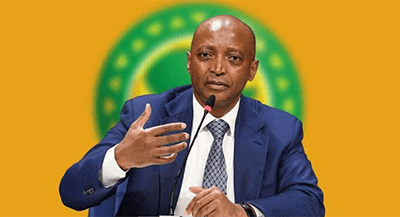
CAF President Dr Patrice Motsepe unveiled the new prize package during a press conference on Wednesday, saying the decision reflects the organisation’s commitment to advancing women’s football across Africa.
According to Motsepe, the latest increase marks the third significant adjustment to WAFCON prize money in the past three years, underscoring CAF’s determination to enhance the profile of the competition while providing greater financial rewards for participating teams.
The governing body said the increased prize fund is aimed at boosting the competitiveness of the tournament, attracting more investment into the women’s game, and creating better opportunities for players and national teams across the continent.
Motsepe reaffirmed that developing women’s football remains a top priority for CAF, adding that sustained investment is essential to raising standards and expanding opportunities for football stakeholders in Africa.
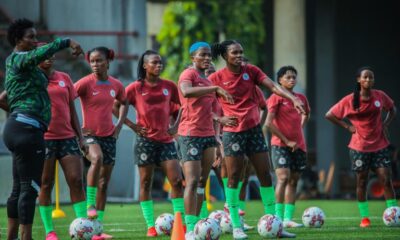
The upcoming WAFCON is expected to feature some of Africa’s strongest women’s national teams, including defending champions Nigeria, as well as Morocco, South Africa, Zambia, Ghana, Cameroon, and other contenders competing for continental glory.
Meanwhile, CAF is also preparing for the next Africa Cup of Nations (AFCON), which will be jointly hosted by Kenya, Tanzania, and Uganda in August. The tournament will be a landmark occasion, marking the first time in decades that East Africa hosts the continent’s premier men’s football competition.
CAF says expanding major tournaments to different regions remains part of its long-term strategy to improve football infrastructure, enhance tournament organisation, and deliver a better experience for fans.
With increased financial incentives for WAFCON and preparations underway for AFCON in East Africa, CAF believes its ongoing investments will strengthen African football and create greater value for players, teams, and supporters alike.