Latest News
Patrice Motsepe: World Cup Is Incomplete Without Nigeria, Cameroon

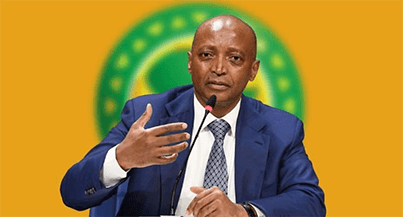
Confederation of African Football (CAF) President Patrice Motsepe has described the absence of Nigeria and Cameroon from the 2026 FIFA World Cup as a significant setback for African football, saying the tournament loses part of its identity without two of the continent’s football powerhouses.
The expanded 2026 FIFA World Cup, hosted by the United States, Canada and Mexico, concluded with Spain lifting the trophy. However, neither Nigeria nor Cameroon featured at the global showpiece after failing to qualify.
Reflecting on Africa’s performance at the tournament, Motsepe praised the contributions both nations have made to the growth and global reputation of African football, insisting their absence was deeply felt.
“I am happy for Nigeria and Cameroon. Nigeria did not make the World Cup, and I keep telling people that a World Cup for me without Nigeria, Cameroon, and many others is incomplete because Nigerians and Cameroonians have all made us proud,” Mot most successful football nations, both missed out on qualification despite their rich World becoming the first African country to reach the FIFA World Cup quarter-finals, while Nigeria has consistently impressed on the global stage, advancing to the Round of 16 on several occasions and producing some of Africa’s absence, Motsepe expressed optimism about the future of African football, stressing that CAF remains that the continental football governing body plans to increase investment in youth development, coaching education, infrastructure and competitions work harder than we have ever done before because in life, if you work hard and you are determined, you will succeed,” he not succeed immediately or overnight, but I am enormously confident, and I cannot have quantifiable objectives, criteria and long-term ambition of seeing an African nation win the FIFA World Cup, noting that the continent has the talent and potential to Egypt at the tournament, Motsepe emphasized that African football will be stronger when traditional giantssepe said.
Nigeria, a three-time Africa Cup of Nations champion, and Cameroon, one of Africa’s most successful football nations, both missed out on qualification despite their rich World Cup pedigree.
Cameroon made history in 1990 by becoming the first African country to reach the FIFA World Cup quarter-finals, while Nigeria has consistently impressed on the global stage, advancing to the Round of 16 on several occasions and producing some of Africa’s most memorable World Cup moments.
Despite the disappointment of their absence, Motsepe expressed optimism about the future of African football, stressing that CAF remains committed to improving the standard of the game across the continent.
He revealed that the continental football governing body plans to increase investment in youth development, coaching education, infrastructure and competitions to help more African nations become competitive on the world stage.
“And a part of what we are going to do is to work harder than we have ever done before because in life, if you work hard and you are determined, you will succeed,” he added.
Motsepe acknowledged that meaningful progress requires patience but said he is confident that sustained commitment will deliver long-term success.
“You may not succeed immediately or overnight, but I am enormously confident, and I cannot have quantifiable objectives, criteria and facts that justify the optimism,” he said.
The CAF president reiterated his long-term ambition of seeing an African nation win the FIFA World Cup, noting that the continent has the talent and potential to compete with football’s traditional heavyweights.
While commending the performances of countries such as Morocco and Egypt at the tournament, Motsepe emphasized that African football will be stronger when traditional giants like Nigeria and Cameroon return to the World Cup.
He maintained that with continued investment, strategic planning and grassroots development, more African nations will qualify consistently for future World Cups, strengthening the continent’s presence on football’s biggest stage.