
English Premier League
Four key differences between Al Ahly-Zamalek and Al Hilal-Al Ittihad classics

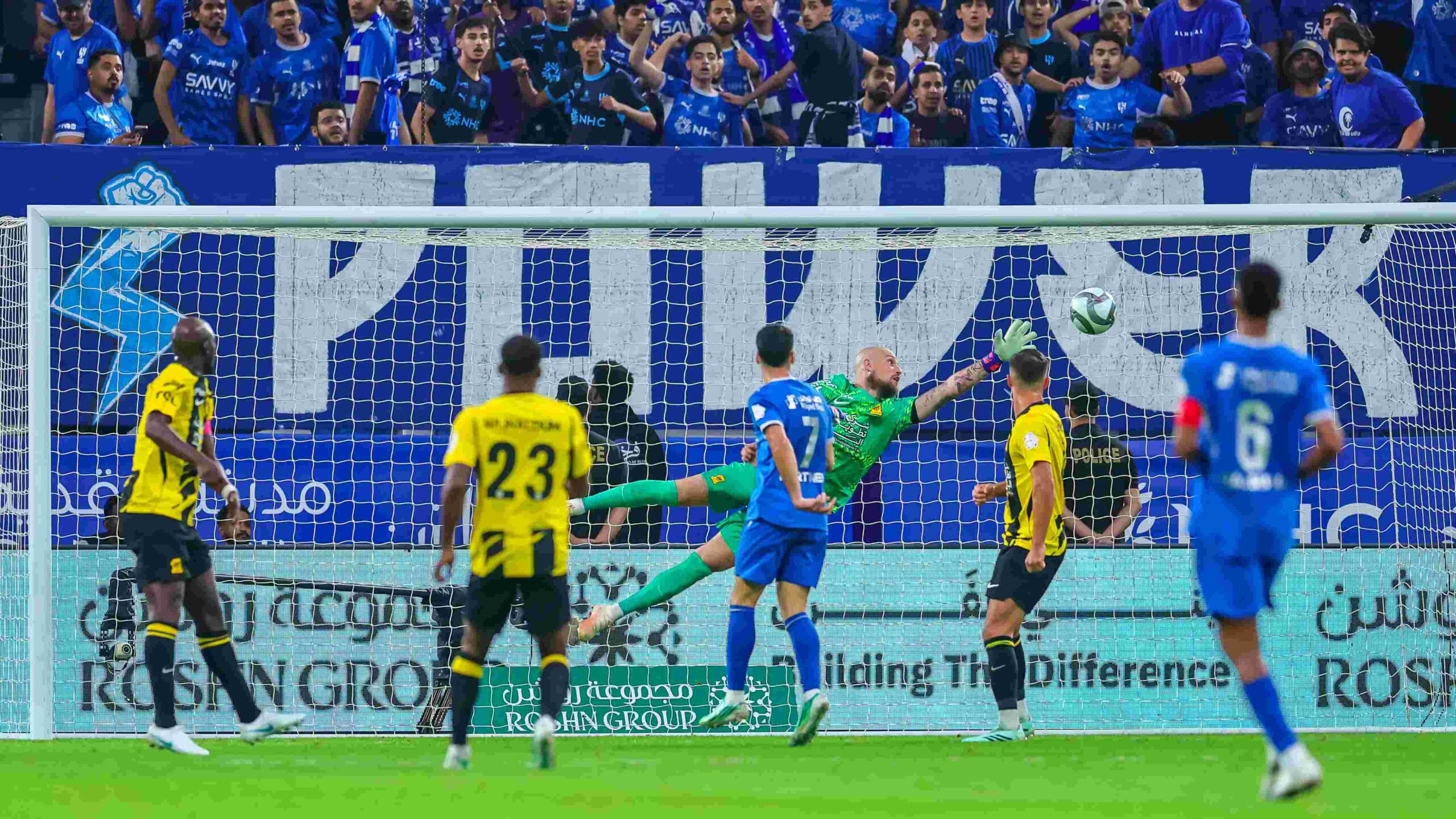
Within 24 hours, football fans in Egypt and Saudi Arabia witnessed two major domestic derbies, with Al Ahly beating Zamalek 2-0 at Cairo Stadium and Al Hilal edging Al Ittihad 3-2 at Kingdom Arena.
Both matches carried significance beyond the three points, representing tests of prestige, quality and ambition. Yet the contrasting games highlighted four clear differences: the supporters, the style of football, the number of goals and the clubs’ market values.
Two different kinds of spectacle
The Al Ahly-Zamalek match was played in front of 40,000 supporters, with 20,000 tickets allocated to each club after the fixture sold out.
Fans from both sides displayed banners carrying historical and national messages. Al Ahly supporters celebrated the club’s “Club of the Century” title, while Zamalek fans paid tribute to the heroes of the October War.
In Riyadh, the Al Hilal-Al Ittihad match attracted 22,808 supporters, according to published reports. The atmosphere was equally intense, with both sets of fans competing through chants and songs.
The occasion began with Mohammed Al Owais carrying the Gulf 27 trophy on to the pitch, followed by a guard of honour from the players to celebrate Saudi Arabia’s title success.
The official capacity gave the Cairo derby the larger attendance, but both matches demonstrated how deeply football is connected to club identity and history in the two cities.
Premier League influence and contrasting attacking styles
Al Hilal’s victory had an unmistakably attacking character, with the quality of its forward players allowing the team to exploit space. Former Premier League players made a decisive impact as Gabriel Martinelli, Ollie Watkins and Crysencio Summerville scored Al Hilal’s goals.
The Egyptian derby followed a more controlled pattern. Mohamed Hany opened the scoring for Al Ahly in the 39th minute, before Monsef Bakrar doubled the advantage in the 80th minute with an excellent strike from outside the penalty area.
The difference was not necessarily one of overall technical quality. Al Hilal-Al Ittihad showcased individual talent and open spaces, while Al Ahly’s win underlined the value of concentration, efficiency and taking chances in a high-pressure contest.
Five goals in Riyadh, two in Cairo
The Saudi classic produced five goals. Martinelli put Al Hilal ahead, Youssef En-Nesyri equalised for Al Ittihad, and Watkins restored the hosts’ lead. Summerville then scored a third before Steven Bergwijn reduced the deficit from the penalty spot in the 89th minute.
Al Ahly’s two-goal victory was more straightforward, with Hany scoring before half-time and Bakrar adding a late second as the Egyptian champions kept a clean sheet.
The five-goal match offered greater attacking intensity and maintained the possibility of a comeback almost until the final whistle. In Cairo, Al Ahly’s defensive control and late second goal settled the outcome.
Saudi clubs’ financial advantage
The biggest gap appears in the estimated market values of the four squads, based on Transfermarkt figures for the 2026-27 season.
Al Hilal are valued at about €193.3m and Al Ittihad at €142.55m, giving the two Saudi clubs a combined figure of approximately €335.85m.
Al Ahly’s estimated value is €36.2m, while Zamalek are valued at €16.93m, a combined €53.13m.
The Saudi clubs therefore exceed the Egyptian pair by about €282.72m – almost 6.3 times their combined value.
Those figures reflect the presence of high-profile players from major European leagues, including Martinelli, Watkins and Summerville at Al Hilal. However, market value remains an estimate of transfer worth, not a guarantee of performance or success.
Together, the two derbies showed that football’s appeal can come from historic support, major investment or individual quality – but results are ultimately shaped by how effectively teams use their resources on the pitch.