
English Premier League
Mourinho answers his critics as Real Madrid defeat Barcelona in the Clasico

Jose Mourinho’s Real Madrid beat Barcelona 2-1 at Camp Nou, days after Barcelona’s 4-2 defeat by Paris Saint-Germain in the Champions League, providing a sharp reminder that football’s modern language does not guarantee success.
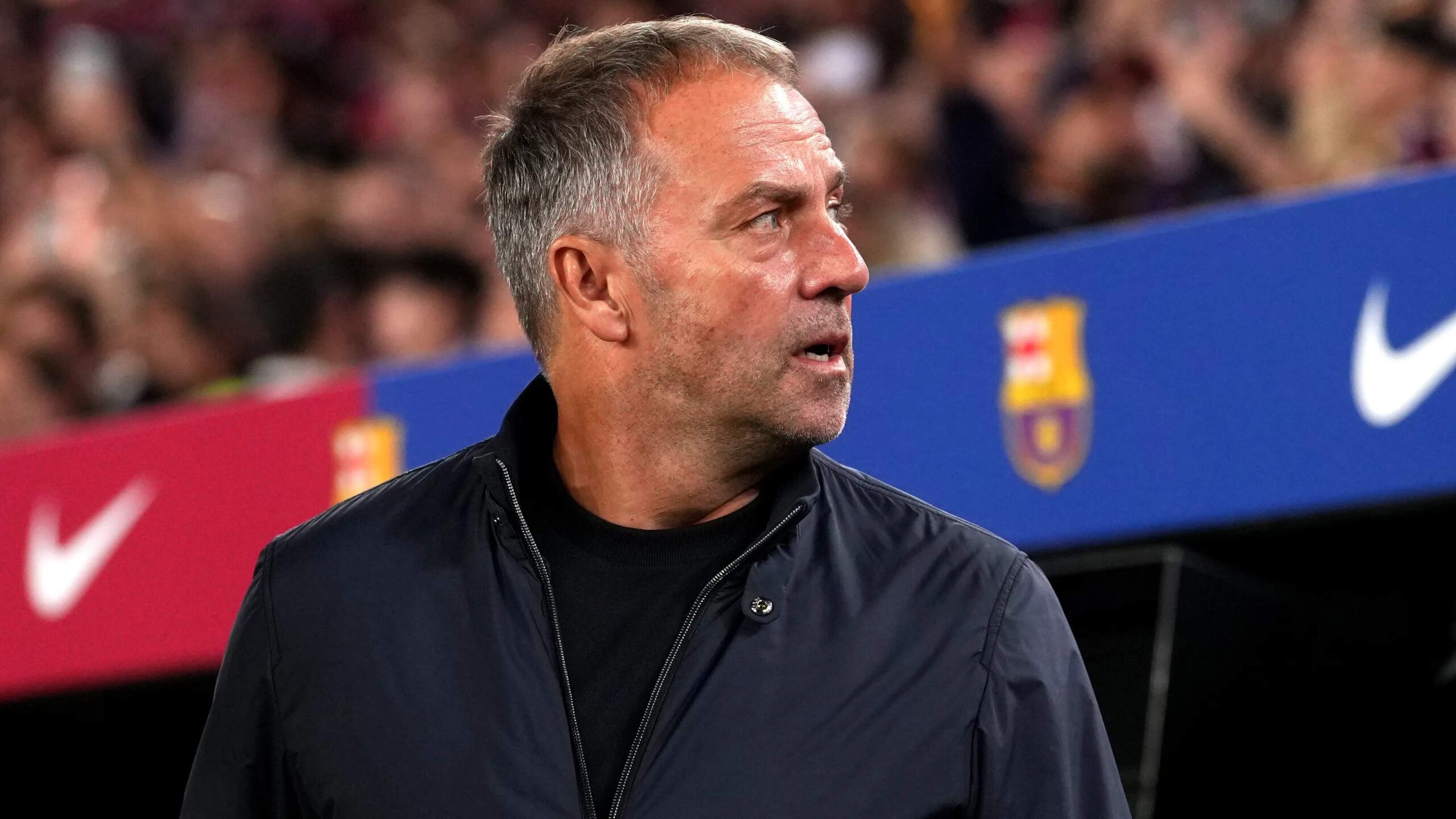
Before the match, some viewed a Barcelona victory as inevitable. Hans Flick was presented as the modern coach, defined by high pressing, counter-pressing and playing out from the back, while Mourinho was portrayed as a manager whose ideas belonged to football’s past.
The result challenged that assumption. Mourinho did not need to imitate Flick’s approach or invent a new tactical system. He organised Real Madrid to deal with Barcelona’s pressure, exploited the space behind their advanced defensive line and used transitions to attack.
That does not make Flick’s methods ineffective. Barcelona remain a bold, fast and entertaining side, built around possession, initiative and winning the ball back quickly. But their successive defeats by Paris Saint-Germain and Real Madrid exposed a recurring question: what happens when an opponent survives the press and reaches the space behind the defence?
The issue is not high pressing itself, nor a high defensive line. It is the danger of relying on the same plan when the circumstances demand adjustment. Barcelona had overwhelmed opponents who lacked the quality or speed to punish those weaknesses. Against two elite sides, the risks became far clearer.
Football has changed tactically, with new pressing structures, attacking patterns and positional roles. But the objective remains the same: prevent the opposition scoring, create chances and score more goals. Possession, passing numbers and attacking ambition are not guarantees of victory.
Mourinho’s approach was not simply a defensive retreat and a hopeful wait for a mistake. Real Madrid prepared specifically for Barcelona’s pressure and targeted the spaces created when Flick’s players pushed forward. The effectiveness of an idea, rather than its age, is what matters.
The contrast was also evident in the substitutions. Mourinho introduced Eduardo Camavinga for Bernardo Silva late in the game, and Camavinga immediately influenced the decisive moment. He moved into space on the right and created the opportunity from which Kylian Mbappe scored the winning goal.
Flick brought on Frenkie de Jong for Fermin Lopez, but the change did not provide Barcelona with the solution needed to prevent the decisive goal or find a winner. That does not make De Jong a lesser player, or mean every substitution that does not lead to a goal has failed. However, Mourinho found the intervention that altered the match at the crucial moment, while Flick did not.
The result does not prove that Mourinho is always right or that Flick is a poor manager. It does show that the coach labelled outdated read important parts of the game more effectively than the man presented as football’s future.
As the late Egyptian commentator Captain Latif famously said: “Football is goals.” Mourinho understands that well. Teams are not rewarded for appearing more modern, having more possession or offering the most attractive style. They are rewarded for scoring more than their opponents.