Latest News
NPFL Slips To 91st In Latest Global League Rankings

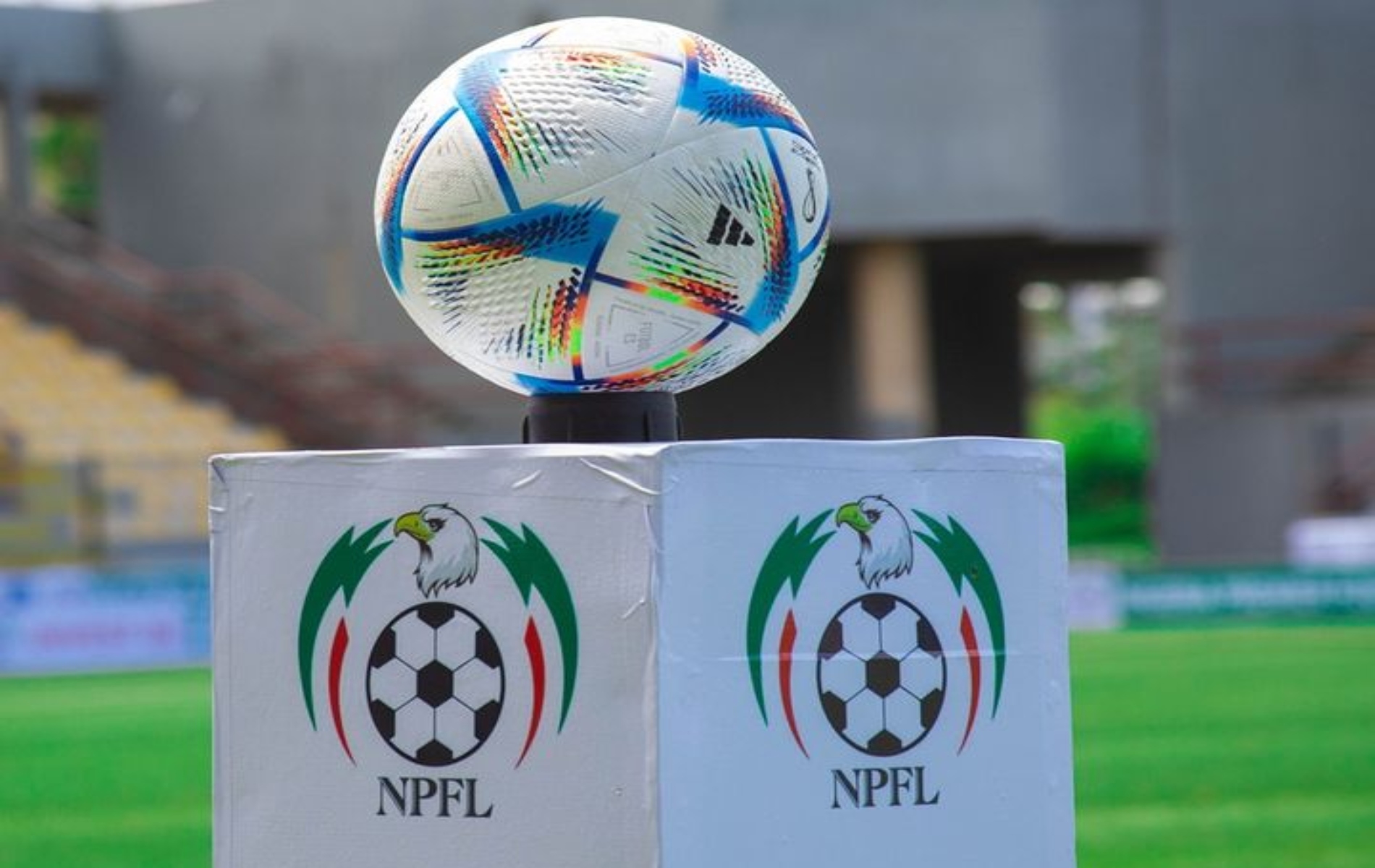
Nigeria’s top-flight competition, the Nigeria Professional Football League (NPFL), is facing renewed scrutiny after dropping to 91st place in the latest world league rankings released by the International Federation of Football History and Statistics (IFFHS).
The new rating marks a significant decline of 15 places from its 76th position in 2024, with the Nigerian league earning 171.75 points — a tally that now leaves it outside the world’s top 90 domestic competitions.
The fall in ranking mirrors growing concerns about the international competitiveness of Nigerian clubs. The IFFHS ranking system evaluates leagues based on the performances of their clubs in continental and international competitions. Inconsistent outings by NPFL representatives in CAF tournaments have negatively impacted the league’s global standing.
Meanwhile, rival leagues across Africa have continued to strengthen their influence. Egypt’s top division maintained its position as Africa’s strongest league for the sixth consecutive year, while Morocco and South Africa further consolidated their upward trajectories. Algeria and Tunisia completed the continent’s top five, underlining the widening gap between Nigeria and Africa’s elite football nations.
Despite the global slide, Nigeria remains 12th in Africa under the Confederation of African Football (CAF) five-year coefficient ranking — a position that preserves two qualification slots in CAF interclub competitions.
On the world stage, European leagues continue to dominate. The Premier League retained its status as the world’s number one competition, followed by La Liga and Brazil’s Campeonato Brasileiro Série A in the top three.
Their sustained excellence further highlights the widening gulf between Nigeria’s domestic competition and global football powerhouses.
The latest rankings have intensified calls for structural reforms aimed at revitalising the NPFL. Analysts continue to cite infrastructure challenges, inconsistent investment, governance concerns, and gaps in youth development as critical issues hindering progress.
While many observers believe Nigeria still possesses the talent base and market potential to reclaim lost ground, there is growing consensus that urgent and coordinated reforms are needed.
With other African leagues accelerating their development, the NPFL’s drop in the global rankings is increasingly viewed not merely as a statistical decline, but as a wake-up call for Nigerian football authorities to reposition the domestic game for renewed continental and international relevance.